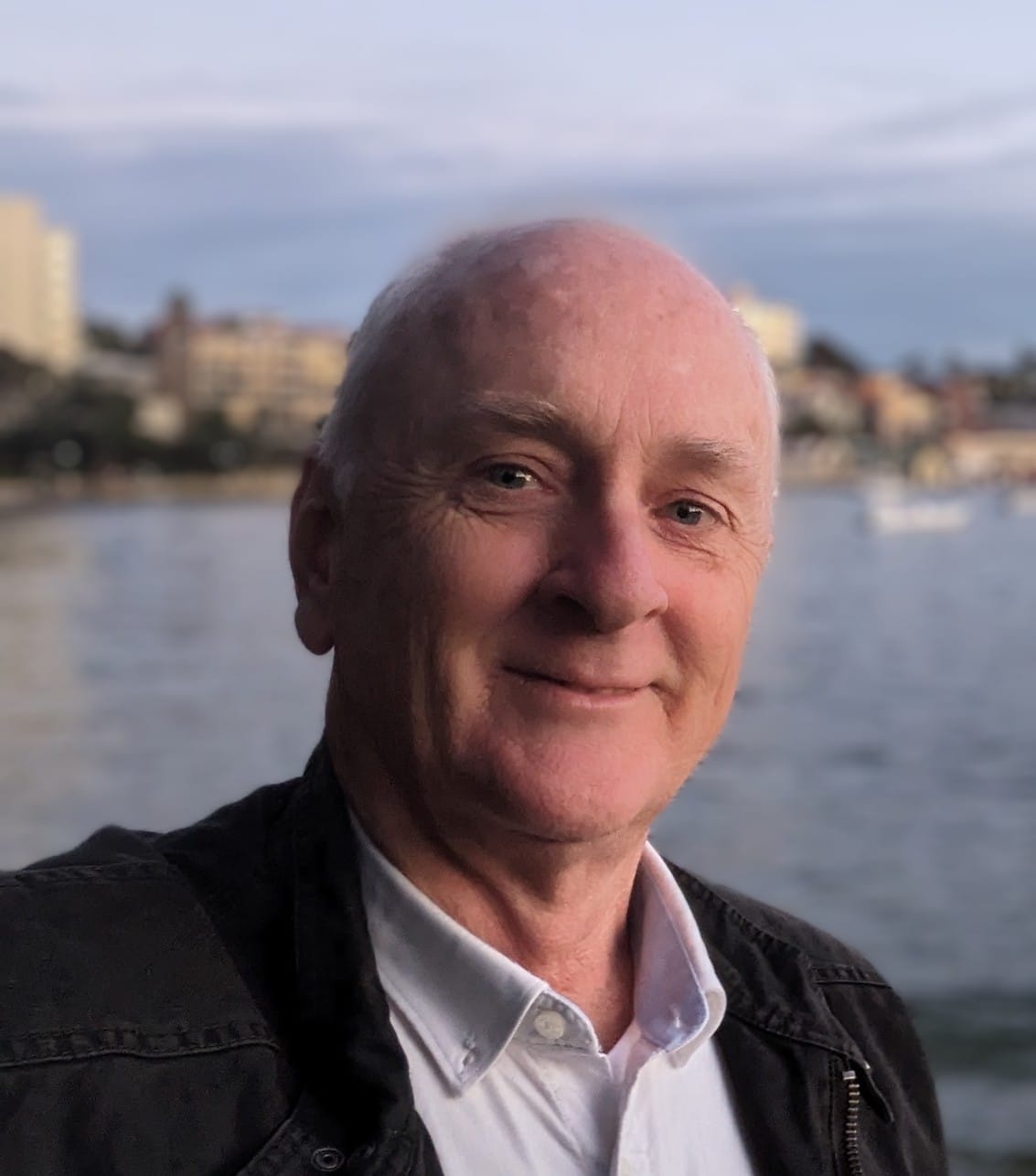
Finding My Way to This Work
My path to becoming a therapist has been anything but straightforward. At thirty, I left a good marriage, only later understanding how trauma had shaped me. Through my forties, I searched; men's groups, various therapies, looking for something I couldn't quite name. It wasn't until sixty that my most transformative work began: years of steady therapy that helped me make sense of my wiring and meet my parts with compassion.
That journey taught me what I now know in my bones: the struggles we face aren't failings but adaptations; brilliant ways our system has tried to keep us safe.
An Unconventional Background
Before therapy, I spent decades in teaching and IT consulting. In 1980, I was using computers to help kids learn at a time when computers were only just entering schools; not because I was visionary, but because I saw how technology could reach students who struggled with traditional methods. Those "difficult" kids everyone wrote off? I recognised something of myself in them.
I recognise neurodivergent traits in myself. Nobody named them when I was growing up, so for decades they simply felt like being fundamentally different. I now see that difference as variation, not deficit; a perspective that shapes how I work with anyone who doesn't fit narrow categories.
Meet Me
In this short video, I introduce myself and share my approach to working with clients. You'll get a sense of who I am and how we might work together in creating a safe, comfortable space where you can explore your thoughts and feelings without judgment.
Why This Work Matters to Me
I see people carrying decades of being told they're "too complex" or "treatment resistant." Having been through my own labyrinth of searching, I know these labels often reflect system failures, not personal ones.
After hundreds of hours of my own therapy, I'm not afraid of sitting with pain, complexity, or the parts of ourselves we've been taught to hide. This isn't about having answers; it's about being willing to stay present with whatever emerges.
How I Work
I bring together Gestalt therapy (present-moment awareness and relationship), Internal Family Systems (compassionate understanding of our different parts) and Sensorimotor Psychotherapy (working with what the body holds and how it wants to move). Your protective strategies aren't problems to eliminate; they're trying to help. We'll work WITH them, not against them, finding new solutions at your pace.
What makes my practice different:
- You're the expert on your experience; I'm a curious companion
- All parts of you are welcome, especially the "difficult" ones
- We explore what happened TO you, not what's wrong WITH you
- Focus on integration and wholeness, not just managing symptoms
Professional Foundation
I began formal study later in life, completing a Master of Gestalt Therapy in 2024. My qualifications include:
- Master of Gestalt Therapy
- Diploma of Teaching
- Certificate in Holistic Counselling
- IFS Level 1 Official Training (completed)
- Sensorimotor Psychotherapy Level 1 Training (Sensorimotor Psychotherapy Institute)
I am a PACFA Certified Practising Counsellor (Registration No. 31720), adhering to the professional and ethical standards of the Psychotherapy and Counselling Federation of Australia.
I hold a current Queensland Blue Card (Working with Children Check), Card No: 2468463/1, Type: P.
I maintain regular supervision and my own therapy because this work is too important to do alone. Every client teaches me something new about resilience and adaptation.
Who I Am in the Room
I'm a cisgender man who welcomes all gender identities and expressions. With some neurodivergence of my own, I try not to make neurotypical assumptions. Whether you're navigating trauma, feeling stuck despite years of trying, or simply sensing that something needs to shift, we'll create a space where you can explore without judgment.
Our first session is about understanding your unique story. There's no right way to "do" therapy; we'll find what works for you.
Confidentiality & Boundaries
I treat everything you share in our sessions with the utmost care and respect. Our work together is confidential, with rare exceptions where I'm legally required to disclose information; such as if there's an imminent risk of harm to you or others, or in cases involving child abuse. Where appropriate and possible, I will discuss any necessary disclosures with you beforehand.
Use of AI Tools: With your written consent, I may record sessions and use AI tools to help me write accurate session notes. Recording is optional, and you can decline or withdraw at any time without any effect on your therapy. The recording is transcribed on my phone and never uploaded, the transcript is de-identified by an AI model running on my own computer, and only that de-identified text is sent to a cloud AI service to draft a summary. I read, correct and approve every summary before it enters your record, and AI is never used to make decisions about your care. The full process, its limitations and your rights are set out in the Session Recording & AI Consent form.
Our therapeutic relationship is supported by clear boundaries. We'll meet during scheduled sessions, communicate professionally, and I do not engage with clients on social media. These boundaries help create a safe, contained space where meaningful therapy can unfold.
I adhere to the ethical standards set out by the Psychotherapy and Counselling Federation of Australia (PACFA). You can read more about these standards in the PACFA Code of Ethics and Professional Conduct.
Concerns and complaints: If something in our work concerns you, I would like to hear about it and will try to resolve it with you directly. You are also free, at any time and without speaking to me first, to raise a concern with PACFA (ethics@pacfa.org.au) under its Professional Conduct Procedures, or with the Queensland Office of the Health Ombudsman on 133 OHO (133 646).
If you have any questions about confidentiality, boundaries, or the use of AI tools, I'm happy to discuss them during our initial consultation.